26 September 2026 · 6 min read
Aegean Olive Oil: A Guide to the Two Coasts, Their Olives and Their Protected Names
Aegean olive oil is oil from the olive groves around the Aegean Sea — the Turkish coast from Edremit to Milas and the Greek islands such as Lesvos. "Aegean" itself is a geographic description, not a protected name, so what tells you what is in the bottle is the variety, the protected designation and the harvest date.
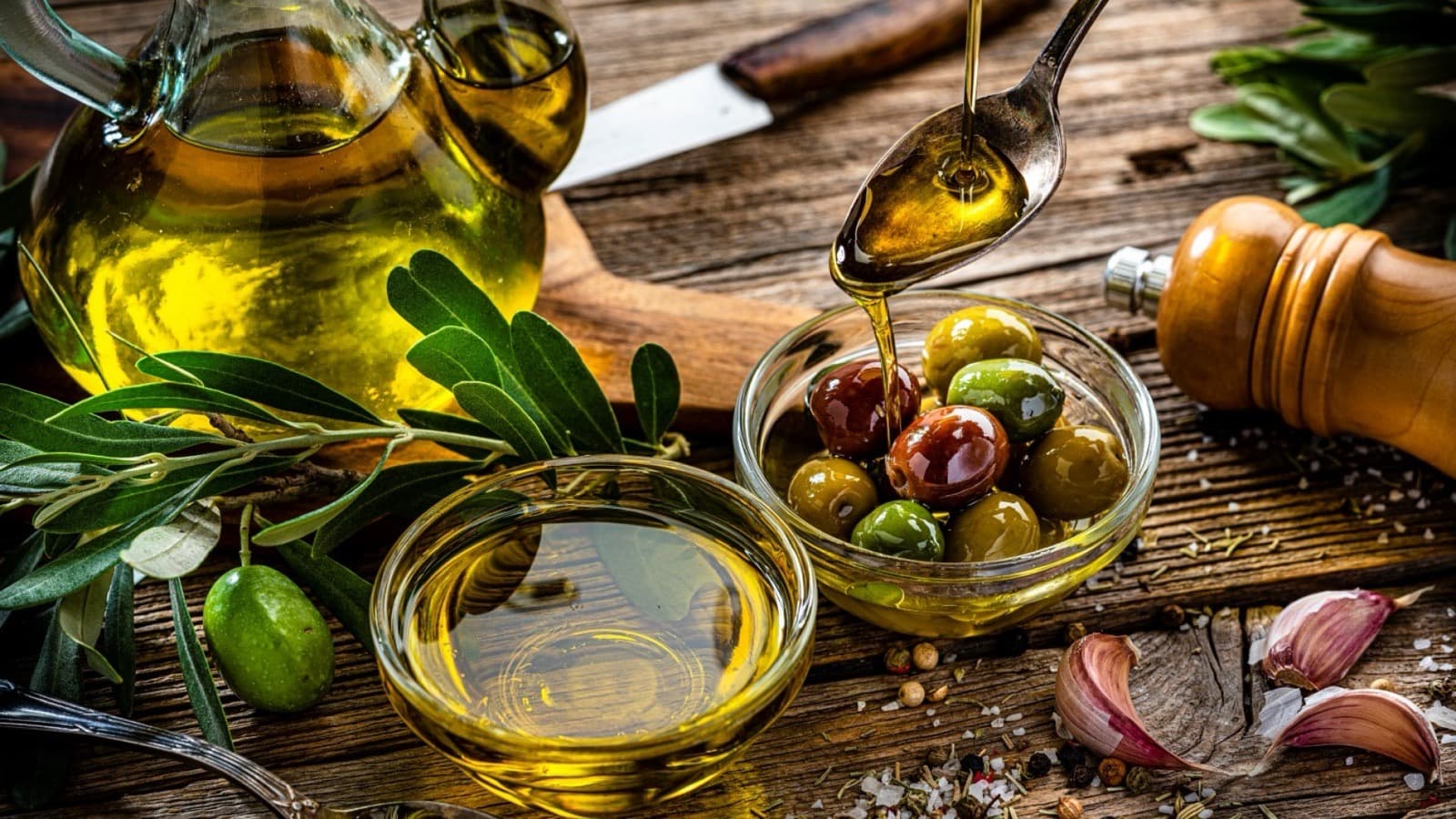
Aegean olive oil is oil pressed from the groves that ring the Aegean Sea: the western coast of Türkiye, from the Gulf of Edremit south to Milas, and Greek islands such as Lesvos, Samos, Thassos and Rhodes. "Aegean" on a label is a geographic description, not a protected designation, so it tells you the neighbourhood rather than the oil. What actually predicts the taste is which olive variety was pressed, which protected name (if any) the bottle carries and how early it was harvested. This guide maps all three, from the perspective of a producer on the southern end of that coast.
Is "Aegean" a protected name for olive oil?
No. Unlike "Milas" or "Lesvos", the word "Aegean" is not registered for olive oil, so any brand on either coast can use it. That is why search results mix Turkish bottles, Greek island oils and flavoured blends under the same word. The protected names sit one level down. On the Turkish side, the EU register lists three Aegean olive oils with Protected Designation of Origin (PDO) status: Edremit Zeytinyağı (Balıkesir), Aydın Memecik Zeytinyağı (Aydın) and Milas Zeytinyağı (Muğla). A fourth Turkish PDO oil, Mut Zeytinyağı, comes from Mersin on the Mediterranean, not the Aegean. On the Greek side, island oils such as Lesvos, Samos, Thassos and Rhodes carry Protected Geographical Indications (PGI). A PDO requires the olives to be grown and pressed in the named area from the specified variety; "Aegean" alone guarantees neither.
The north: Edremit, Ayvalık and Lesvos share one olive family
The northern Aegean is one olive landscape split by a border. On the Turkish mainland, the Ayvalık variety — also called Edremit Yağlık — makes up about a quarter of all olive trees in the Aegean Region, according to a 2020 study in Heliyon. Its local names include Edremit and Midilli, the Turkish name for Lesvos. Across the strait on Lesvos, the two main varieties are Kolovi and Adramytiani, the latter named after Adramyttion, the ancient name of Edremit. The names point at each other for good reason: olives, growers and trade crossed this water for centuries. Stylistically, northern oils lean mild, almond-like and soft. In a 2023 Molecules comparison of five Turkish cultivars, Ayvalık oil had the lowest total phenolic content (234.7 mg/kg) and the lowest bitterness and pungency scores. That is not a defect — it is a style, and many people prefer it for everyday use.
The south: Memecik country, from Aydın to Milas
Move south of İzmir and the Memecik olive takes over. It dominates the groves of Aydın and Muğla, and both of the southern PDOs — Aydın Memecik and Milas — are built on it. Memecik pressed early gives a very different oil from the northern style: green, grassy, clearly bitter and peppery, with the throat-catching finish that signals oleocanthal and other phenolic compounds. A Milas grower quoted by the EU Delegation to Türkiye put it simply: the oil should taste fruity, burning and bitter. The landscape is old even by Mediterranean standards. The same EU report counts more than 13 million olive trees in and around Milas, including roughly 80 trees estimated to be over 3,000 years old. If you want the full profile of the variety, our guide to Memecik olive oil covers it in depth.
Why the same variety tastes different a few valleys apart
Even within one variety, place changes the oil. The Heliyon study analysed 215 Ayvalık oil samples from 14 locations across the North Aegean over three seasons and found that composition shifted clearly with origin: the share of aldehydes in the aroma profile ranged from 7.5% to 47.5% depending on where the olives grew. Altitude, soil, rainfall and, above all, how ripe the fruit was on picking day all push in different directions. That is the practical case for protected designations: a PDO fixes the area, the variety and the method, so two bottles with the same name should be recognisably related. It is also why a bottle that says only "Aegean", with no variety, region or harvest date, is effectively a blind purchase.
The hill groves most guides miss
The Aegean's most distinctive olive oil is not always from coastal plantations. Slow Food runs a Presidium called Extra Virgin Olive Oil from Aegean Indigenous Landscapes, covering 28 producers in two Turkish mountain villages: Kızılgüney in the Menteşe mountains between Muğla and Aydın (Memecik) and Orhanlı in İzmir's Kızıldağ mountains (Erkence). Here, wild olive trees are grafted with cultivated varieties and farmed without irrigation or chemical inputs, under a traditional co-management system called Orfene that lets livestock graze among the trees. The Presidium rules require hand harvesting and pressing within 24 hours of picking. It is a small niche, but it shows something the "Aegean" marketing label hides: the region's character comes from specific people, trees and practices, not from the sea view.
How to choose an Aegean olive oil
Treat "Aegean" as a starting point and read the rest of the label:
- Country and region: Turkish mainland or Greek island? A named district (Edremit, Milas, Lesvos) beats a sea.
- Protected name: look for an EU PDO or PGI seal with a specific place name.
- Variety: Ayvalık/Adramytiani for mild and nutty; Memecik or Kolovi for more bitterness and pepper.
- Harvest date: the current season, ideally with the month. Early harvest means greener, more phenolic oil — see what early harvest olive oil is.
- Numbers: free acidity well under the 0.8% extra virgin limit and, if stated, polyphenols. Our guide to polyphenols in olive oil explains what the figures mean.
- Packaging: dark glass or tin only.
For a wider view of Turkish producers, see is Turkish olive oil good?
What harvest timing does to a Milas Memecik oil
We press Memecik olives in Milas, at the southern end of this coast, and our own lot figures show why the harvest date matters more than the word "Aegean". Two lots from the same variety, the same area and the same mill, one month apart: lot 2025-EH-03, picked in October while the olives were still green, measured 384 mg/kg total polyphenols, 0.28% acidity and a peroxide value of 7.4. Lot 2025-EH-05, picked in November, measured 287 mg/kg, 0.42% and 8.9. Same region, same olive — a quarter fewer polyphenols after four weeks of ripening. Our olives are picked early, pressed the same day in a closed cold-press system and stored away from light and oxygen, and each lot's analysis values are published next to its lot number. If you want to taste the southern, peppery style of Aegean oil, the early-harvest Ultra Premium 500 ml is our Memecik at its greenest (acidity ≤0.3%, polyphenols above 350 mg/kg); the gentler Premium 5 L tin suits everyday cooking. You can browse the whole olive oil range or read more about Milas olive oil and its PDO. We currently ship within Türkiye.
Frequently Asked Questions
- What is Aegean olive oil?
- Aegean olive oil is olive oil produced around the Aegean Sea: on Türkiye's western coast, from the Gulf of Edremit down to Milas, and on Greek islands such as Lesvos, Samos, Thassos and Rhodes. The term describes a region, not a grade or a legally protected name, so the variety, protected designation and harvest date on the label tell you far more about the oil than the word "Aegean" does.
- Is Aegean olive oil Turkish or Greek?
- It can be either. The Aegean Sea lies between Türkiye's western coast and Greece, and both produce olive oil there. Turkish Aegean oil comes mainly from Balıkesir, İzmir, Aydın and Muğla; Greek Aegean oil comes largely from islands such as Lesvos. Because "Aegean" is not a protected name, check the label for the country, a named district and, ideally, a PDO or PGI seal.
- Which Aegean olive oils have EU protected status?
- On the Turkish side, three Aegean olive oils are registered in the EU as Protected Designations of Origin: Edremit Zeytinyağı from Balıkesir, Aydın Memecik Zeytinyağı from Aydın and Milas Zeytinyağı from Muğla, which was the first Turkish olive oil registered in 2020. On the Greek side, island oils including Lesvos, Samos, Thassos and Rhodes hold Protected Geographical Indications.
- What does Aegean olive oil taste like?
- It depends on the part of the Aegean. Northern oils from the Ayvalık (Edremit) variety and Lesvos's Adramytiani tend to be mild, soft and almond-like, with little bitterness. Southern oils from the Memecik olive, grown around Aydın and Milas, are greener and grassier, with clear bitterness and a peppery finish, especially when harvested early. Harvest timing shifts the profile as much as location does.
- What olive varieties grow in the Aegean?
- The main Turkish Aegean varieties are Ayvalık (also called Edremit) in the north, Memecik in the south around Aydın and Muğla, and Erkence around İzmir. Gemlik is also widely planted. On Lesvos the leading varieties are Kolovi and Adramytiani, the latter named after Adramyttion, the ancient name of Edremit — a reminder that the northern Aegean shares one olive heritage.
Sources
- EU Delegation to Türkiye — The Ancient Olive Trees of Milas: EU Registration Highlights the High Quality of Products
- EU Delegation to Türkiye — Aydın Memecik Zeytini wins EU recognition
- Üçüncüoğlu & Sivri-Özay (2020), Geographical origin impact on volatile composition and some quality parameters of virgin olive oils extracted from the "Ayvalık" variety, Heliyon 6(9):e04919
- Korkmaz (2023), Characterization and Comparison of Extra Virgin Olive Oils of Turkish Olive Cultivars, Molecules
- Slow Food Foundation — Extra Virgin Olive Oil from Aegean Indigenous Landscapes Presidium