24 August 2026 · 6 min read
Is Turkish Olive Oil Good? An Honest Look from a Milas Producer
Yes — Turkish olive oil is genuinely good. Türkiye is the world's second-largest producer, and its Aegean-coast oils, pressed from native olives like Memecik, win gold at competitions such as the NYIOOC. Quality varies between brands, though, so judge any bottle by harvest date, free acidity and polyphenol content rather than nationality.
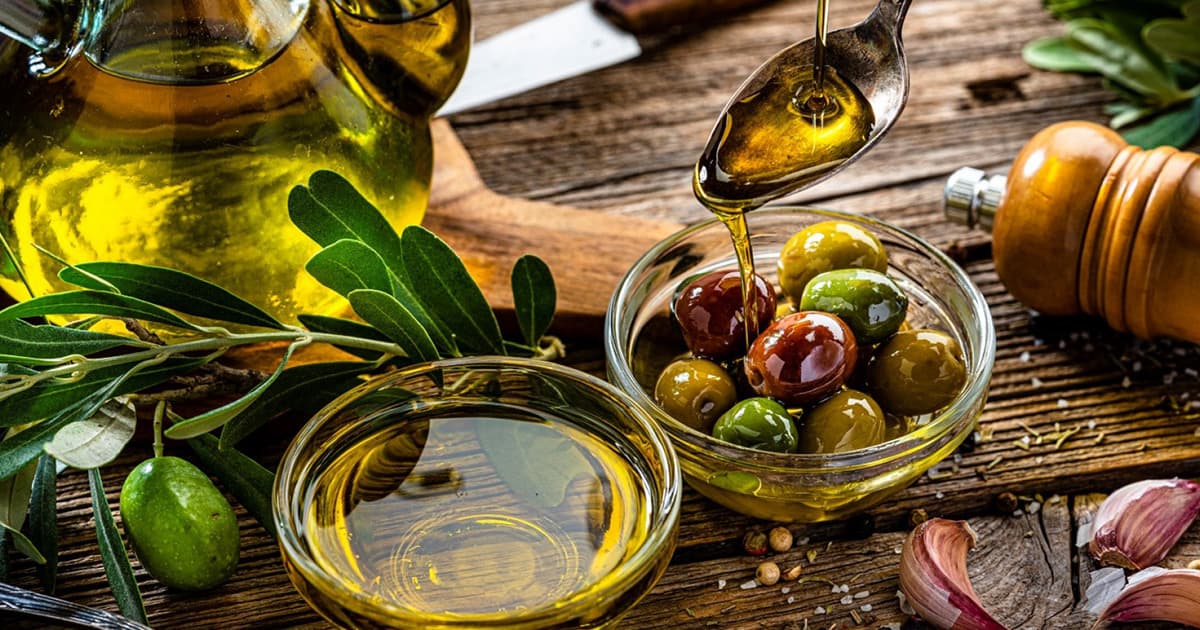
Turkish olive oil is genuinely good — and the numbers now back that up. Türkiye is the world's second-largest olive oil producer, and its Aegean-coast oils, pressed from native olives such as Memecik, regularly win gold at international competitions. The honest caveat, from a producer who lives inside this industry: quality varies enormously from bottle to bottle, because much Turkish oil is still traded as an anonymous bulk commodity. So judge any bottle by its harvest date and lab values, never by nationality alone. This guide covers the strengths and, just as honestly, the weaknesses.
How much olive oil does Türkiye actually produce?
More than almost anyone realises. In the 2022/23 season Türkiye produced a then-record 421,000 tonnes and ranked second in the world behind Spain for the first time. The bumper 2024/25 harvest pushed output to roughly half a million tonnes, and across the last five seasons the country has consolidated its position as the world's second-largest olive oil producer — while in table olives it has climbed to first place. Honesty requires the other half of the story, though. Olive trees bear fruit in alternate years, and the 2025/26 crop is forecast at around 290,000 tonnes — down more than 40 percent — after harsh weather during flowering damaged fruit set. Scale is now proven; consistency, season to season and bottle to bottle, is the frontier Turkish producers are still working on.
Why is Turkish olive oil so underrated?
Mostly because you have rarely seen its name on a label. For decades a large share of Turkish production left the country in tankers as bulk oil, was blended abroad and bottled under better-known Mediterranean brands. The value — and the reputation — stayed with the bottler, not with the grower in Ayvalık or Milas. That is slowly changing: producers and exporters are pushing to move from drums to branded bottles, because bulk oil earns a fraction of what a finished bottle does. Two further reasons: a deep domestic fine-oil culture is only now maturing, and Turkish producers began entering international competitions relatively late. The oil was often excellent; the marketing was not. That gap between real quality and reputation is exactly why informed buyers can still find remarkable value in Turkish olive oil today.
Where do the best Turkish olive oils come from?
Follow the Aegean coast. Running north to south: the Ayvalık and Edremit Gulf area is famous for the Ayvalık olive, İzmir and Aydın sit at the centre of the industry, and Muğla province anchors the south-west. Our own corner is Milas, in Muğla, where groves of the native Memecik olive climb from the sea into the hills. "Milas Olive Oil" is registered as a Protected Designation of Origin (PDO) with the European Commission — one of a small group of Turkish foods carrying EU geographical protection. Harvested early, Memecik gives a vividly fruity, pleasantly bitter and peppery oil with high phenolic potential. If you want to go deeper into what makes this variety and region distinctive, we have written full guides to Memecik olive oil and to Milas olive oil and its PDO status.
Do Turkish olive oils win international awards?
Yes — and increasingly with native varieties rather than imported cultivars. At the 2025 NYIOOC World Olive Oil Competition in New York, the industry's most closely watched contest, Turkish producers earned 30 awards, including 25 Golds, from 58 entries. The winning oils were pressed from local olives such as Ayvalık, Gemlik, Trilye and Memecik. The trend matters more than any single year's medal count: a decade ago Turkish entries were rare, while today Turkish golds are routine, and judges consistently reward the country's early-harvest, high-polyphenol styles. Awards are not everything — they assess sensory quality at one moment, not what reaches your shelf months later — but they demolish the old assumption that "serious" olive oil ends at the Greek coastline.
How to check whether a Turkish olive oil is actually good
The country on the label tells you little; the harvest date and the lab report tell you nearly everything. This is what we would check as producers:
- Harvest date, not just best-before: olive oil is fresh produce. Look for the current season's harvest, ideally pressed within the last 12-18 months.
- Free acidity: the legal extra virgin limit is 0.8%. Ambitious early-harvest oils reach 0.3% or lower.
- Polyphenols: EFSA's approved claim — that olive oil polyphenols contribute to protecting blood lipids from oxidative stress — corresponds to roughly 250 mg/kg. Serious early-harvest oils can exceed 350 mg/kg.
- Peroxide value: lower means fresher fruit and better handling; premium producers stay well under 10 meq O2/kg against a legal ceiling of 20.
- Packaging: dark glass or tin only — light quietly destroys olive oil.
- Traceability: a named producer, a single variety and a single region beat an anonymous blend every time.
The honest weaknesses
Any fair answer to "is Turkish olive oil good?" must include what is not yet good. Consistency is the biggest issue: alongside world-class estates, plenty of Turkish oil is still harvested late for maximum yield, pressed in dated facilities and stored carelessly through hot summers, producing flat or defective oils that sometimes reach export channels. The bulk-commodity mindset lingers, so ordinary supermarket bottles inside Türkiye can disappoint. Production swings hard between seasons, which disrupts supply and pricing — and after recent inflation, good Turkish oil is no longer automatically cheap. Finally, published laboratory analysis is still the exception rather than the norm among local brands. None of this makes Turkish olive oil bad. It means the country name guarantees nothing; the individual producer, and the numbers they are willing to publish, guarantee everything.
A producer's verdict from Milas
We are biased, so we try to earn the bias with numbers. Our partners are farming families who have grown Memecik olives in Milas for generations. The olives are picked early, while still green, pressed the same day in a closed cold-press system where hands never touch the fruit, and the oil is stored away from light and oxygen. Every lot is analysed, and each lot's measured acidity, polyphenol and peroxide values are published on its product page next to the lot number. Our early-harvest Ultra Premium lot reads 0.3% acidity or below with polyphenols above 350 mg/kg; the 5 L Premium tin, pressed a few weeks later in the season, reads gentler, and its figures are published too. That is what a genuinely good Turkish olive oil looks like on paper — measurable, not a marketing claim. If you would like to taste what Milas Memecik can do, start with our lab-analysed early-harvest Ultra Premium 500 ml (we currently ship within Türkiye), or browse the full olive oil range.
Frequently Asked Questions
- Is Turkish olive oil good quality?
- Yes — the best Turkish olive oils rank among the world's finest. Türkiye is the second-largest producer globally, and its Aegean-coast oils regularly win gold at competitions such as the NYIOOC. Quality varies widely between brands, however, because much Turkish oil is still traded in bulk. Choose bottles with a stated harvest date, low free acidity and, ideally, published laboratory analysis.
- Why is Turkish olive oil cheaper than Italian or Greek?
- Historically, much Turkish olive oil was exported in bulk and bottled abroad under other Mediterranean labels, so Turkish producers never captured the branding premium. Large production volumes and lower farming costs also keep prices competitive. Cheaper does not mean worse: comparable oil often costs less simply because "Türkiye" carries less label prestige than "Italy" — a gap that is closing as Turkish brands win international awards.
- Is Türkiye really the world's second-largest olive oil producer?
- Yes, in recent seasons. Türkiye produced a record 421,000 tonnes in 2022/23, ranking second behind Spain, and roughly half a million tonnes in the bumper 2024/25 season. Output swings with the olive tree's alternate-bearing cycle — the 2025/26 crop is forecast at around 290,000 tonnes — but over the last five seasons Türkiye has consolidated its place as the world's No. 2 producer.
- Which region of Türkiye produces the best olive oil?
- The Aegean coast produces almost all of Türkiye's premium oil. Key areas run from Ayvalık and the Edremit Gulf in the north through İzmir and Aydın to Muğla in the south-west. Milas, in Muğla, holds an EU-registered Protected Designation of Origin for its olive oil, made predominantly from the native Memecik olive — prized for fruity, peppery, high-polyphenol early-harvest oils.
- What should I check when buying Turkish olive oil?
- Check the harvest date first — ideally the current season. Then look at free acidity (0.8% is the legal extra virgin limit; the best early-harvest oils reach 0.3% or lower), a low peroxide value, stated polyphenol content, dark glass or tin packaging, and a named producer with a single variety and region. A brand that publishes laboratory analysis is the strongest signal of all.
- Is Turkish olive oil better than Italian or Greek olive oil?
- No country is simply "better" — quality depends on the producer, harvest timing and handling, not the flag. Turkish Aegean oils are often described as fruity and smooth, and top early-harvest examples match leading Italian and Greek oils in international competitions. The fair comparison is bottle by bottle: a fresh, lab-analysed early-harvest oil from any origin beats an anonymous late-harvest blend from a famous one.
Sources
- Olive Oil Times — Turkish Producers Champion Native Varieties at World Competition (NYIOOC 2025)
- Daily Sabah — Türkiye becomes world's 2nd-largest olive oil producer
- Olive Oil Times — Turkey Braces for Sharp Drop in Olive Oil Output as Weather and Costs Take Toll
- Olive Oil Times — Turkey Seeks Greater Returns From Olive Oil Expansion
- EFSA — Scientific Opinion on the substantiation of health claims related to polyphenols in olive (EFSA Journal 2011;9(4):2033)