Memecik Olive Oil: What Makes Milas's Native Olive Special?
Memecik is Türkiye's most widely planted olive variety and the cultivar behind EU-protected Milas olive oil. Pressed early, it gives a vivid green oil with green-almond and fresh-grass aromas, balanced bitterness and a peppery oleocanthal finish — with naturally high polyphenol levels that Milasso's laboratory analysis puts above 350 mg/kg in the early-harvest Ultra Premium lot.
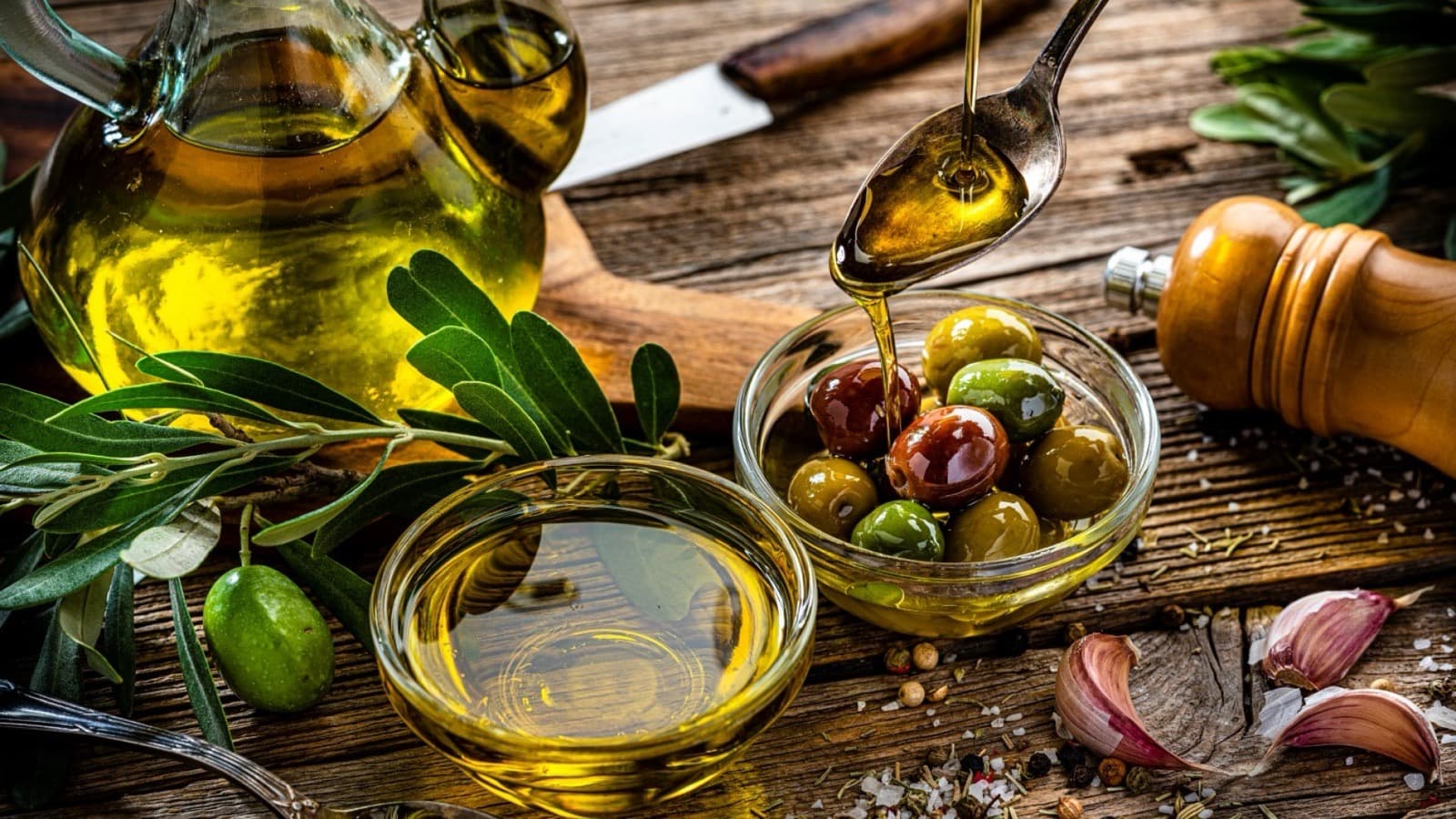
Memecik is the olive variety behind Milas olive oil — the first Turkish olive oil to carry the European Union's Protected Designation of Origin (PDO). Native to the hills of Muğla in Türkiye's southern Aegean, it is the most widely planted olive cultivar in the country, prized for green-almond and fresh-cut-grass aromas, balanced bitterness and a distinctly peppery finish. Picked early and cold-pressed, Memecik yields extra virgin olive oil with naturally high polyphenol levels: Milasso's early-harvest Ultra Premium lot is analysed at over 350 mg/kg of polyphenols and an acidity of 0.3% or below.
What exactly is a Memecik olive?
Memecik is an autochthonous Aegean cultivar that has grown around Milas for centuries. The name comes from the Turkish word for "teat" — a nod to the small, nipple-like tip on the end of each fruit, the easiest way to recognise the variety at arm's length. Memecik covers a larger planting area than any other olive in Türkiye and dominates the groves of Muğla and Aydın. It is technically dual-purpose — Milas households also cure it for the table — but its reputation rests on oil. Olive Oil Times profiles Memecik in its guide to olive varieties, and comparative Turkish studies consistently score it near the top for fruitiness, bitterness and pungency. Milasso works with Milas farming families who have grown Memecik for generations.
What does Memecik olive oil taste like?
Pour a young Memecik oil and the first impression is green: green almond, freshly cut grass, green tomato leaf and a whisper of Aegean herbs. On the palate it is a medium-to-robust oil, with a clean bitterness on the tongue followed by a peppery catch at the back of the throat. That catch has a name: oleocanthal, the phenolic compound Beauchamp and colleagues described in Nature in 2005 as showing ibuprofen-like anti-inflammatory activity in laboratory studies. In sensory terms, more sting generally signals more oleocanthal — which is why professional tasters treat a two- or three-cough oil as a compliment, not a flaw. Early-harvest Memecik sits firmly in that camp. As the fruit ripens toward black, the same trees give a softer, buttery oil; the character in your glass is largely a harvest-date decision.
Why is Memecik naturally high in polyphenols?
Three things stack in Memecik's favour: genetics, climate and timing. As a cultivar, Memecik ranks among Türkiye's highest for total phenolic content in comparative studies, well ahead of milder table varieties. The dry, hot Milas summer adds mild water stress, which pushes the fruit to produce more protective phenolics. Harvesting early, while the olives are still green, multiplies the effect — polyphenol levels fall steadily as the fruit ripens. The numbers matter because of a threshold: the EU's approved health claim, assessed by EFSA in 2011, applies to oils providing at least 5 mg of hydroxytyrosol and its derivatives per 20 g — a condition that cannot be confirmed from a total-polyphenol figure alone. Milasso publishes the measured total-polyphenol value for each lot, but does not use that number by itself to claim compliance. Research suggests such oils may help protect blood lipids from oxidative stress; they are food, though, not medicine.
Milas terroir and the EU-protected PDO
Milas sits in ancient Caria, between the Gulf of Gökova and the limestone ridges of inland Muğla. Groves here grow on stony, free-draining hillside terraces; summers are hot and dry, winters mild and wet, and the sea moderates both. Memecik trees adapted to exactly this stress over centuries, and that combination — variety plus place — is what the EU recognised when it registered "Milas Zeytinyağı" (Milas olive oil) as a Protected Designation of Origin in 2020. PDO status ties the name to oil pressed from Memecik olives grown within the Milas district, the same protection framework behind names like Kalamata. Milasso's olives come from inside that boundary, from villages where the same families have farmed olives for generations — Turkish olive oil at its most place-specific.
Early harvest changes everything
Early-harvest Memecik is picked in October and November, while the fruit is still green and hard. The trade-off is real: green olives give noticeably less oil per kilogram, which is why early-harvest bottles cost more. What you gain is intensity — more polyphenols, more aroma, a fresher and more peppery oil that also resists oxidation better in the bottle. Speed then decides whether that potential survives. Milasso presses the fruit the same day it leaves the branch, untouched by hand, in a closed system that cold-presses below 27 °C and keeps oxygen out; the finished oil is stored isolated from light and air until bottling. Every step exists to protect what the green fruit already contains — nothing added, nothing refined.
Milasso's Memecik, by the numbers
Every Milasso lot is laboratory-analysed, and each lot's own numbers are printed on its product page where you can check them. The early-harvest Ultra Premium lot reads:
- Free acidity: ≤0.3% — the legal ceiling for extra virgin is 0.8%
- Total polyphenols: >350 mg/kg — above the ~250 mg/kg equivalent of the EFSA claim threshold
- Peroxide value: ≤10 meq O2/kg — half the legal limit of 20
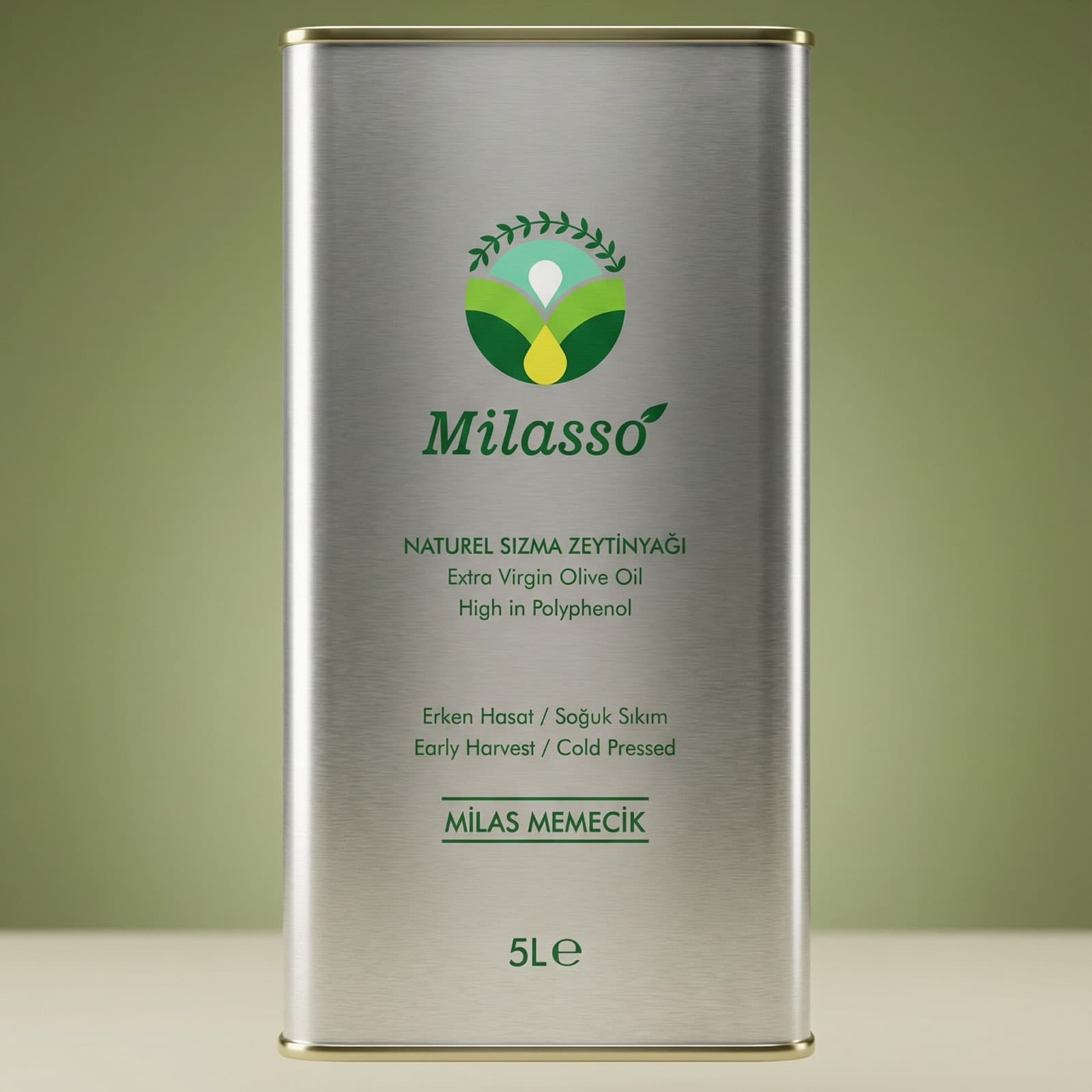
The 5 L Premium tin is pressed a few weeks later in the same season, so its acidity and polyphenol figures read softer; its own lot analysis is published beside it.
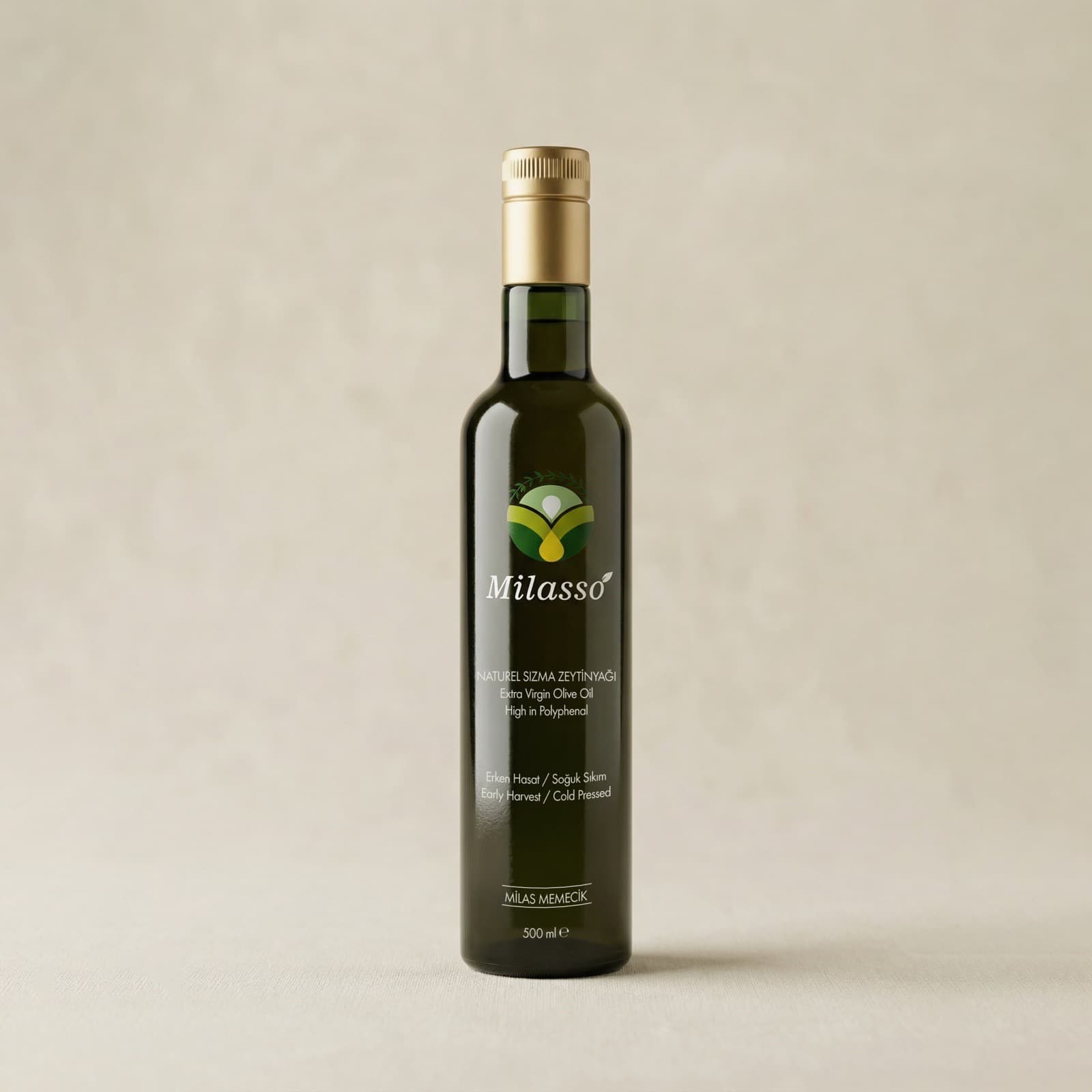
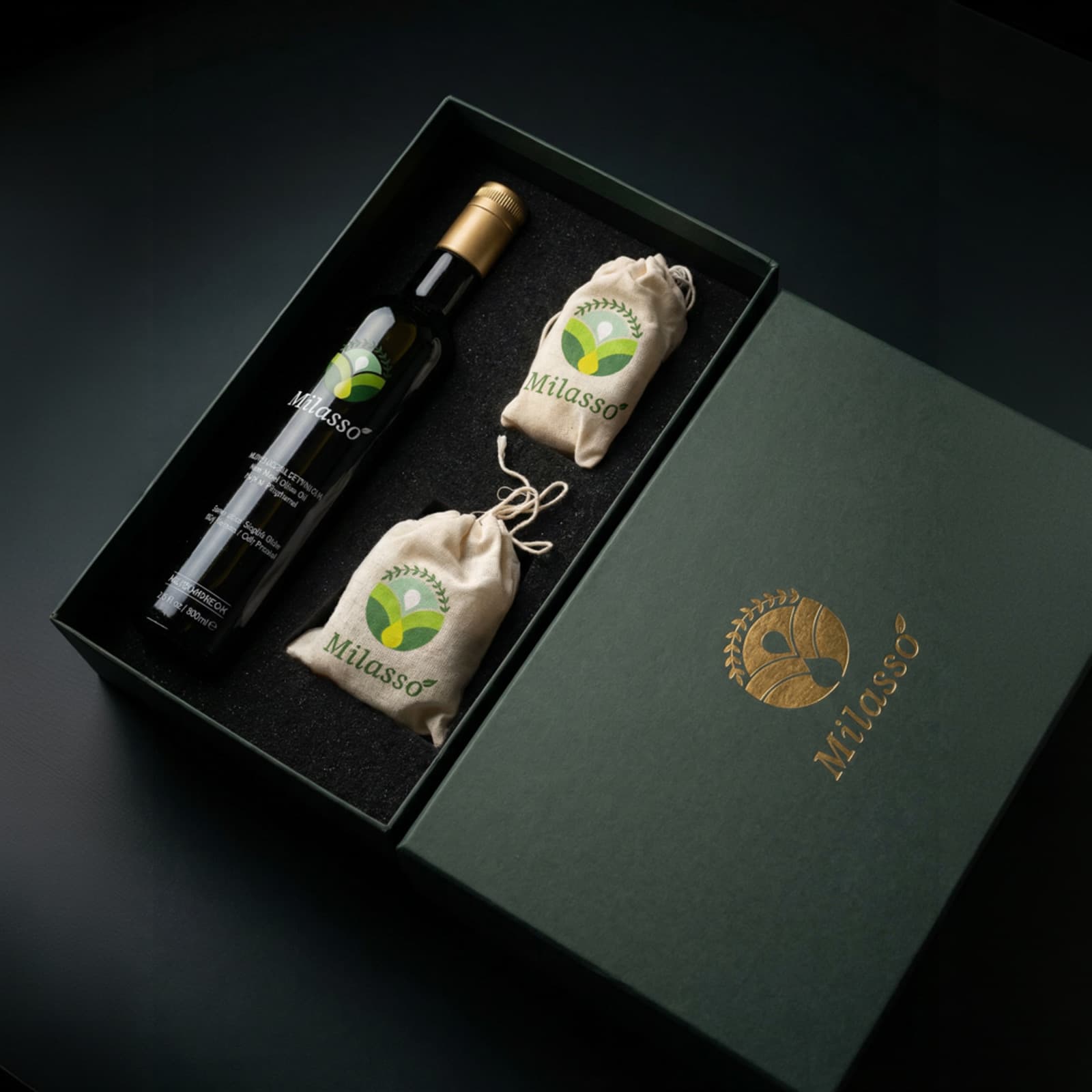
To taste the cultivar at full intensity, the lab-documented Milasso Ultra Premium early-harvest Memecik, 500 ml is the bottle to start with. Kitchens that go through oil quickly usually choose the Premium 5 L tin, and the Ultra Premium gift set turns the harvest into a present. You can browse the full range, with current prices, in our olive oil collection. We currently ship within Türkiye — free above 1,000 TL, with 14-day returns and 3D Secure card payment.
Frequently Asked Questions
- What is Memecik olive oil?
- Memecik olive oil is extra virgin olive oil pressed from the Memecik cultivar, Türkiye's most widely planted olive variety, native to the Aegean provinces of Muğla and Aydın. Oil pressed from Memecik olives grown around Milas carries the EU's Protected Designation of Origin as "Milas Zeytinyağı". The variety is known for green, fruity aromas, balanced bitterness and naturally high polyphenol levels.
- What does Memecik olive oil taste like?
- Young Memecik oil tastes distinctly green: green almond, freshly cut grass and green tomato leaf, with herbal Aegean notes. It carries a clean bitterness and a peppery, throat-warming finish caused by oleocanthal, a phenolic compound. Early-harvest bottles are robust and pungent, while oil from later, riper harvests of the same trees is noticeably softer and more buttery.
- Is Memecik olive oil high in polyphenols?
- Yes — comparative Turkish studies rank Memecik among the country's highest cultivars for total phenolic content, and early harvesting raises levels further. EFSA's approved health claim applies from roughly 250 mg/kg of hydroxytyrosol and its derivatives; Milasso's early-harvest Ultra Premium Memecik measures above 350 mg/kg in laboratory analysis. Research suggests such polyphenol-rich oils may help protect blood lipids from oxidative stress.
- Where are Memecik olives grown?
- Memecik is grown across Türkiye's southern Aegean, above all in Muğla and Aydın provinces, and it covers a larger planting area than any other Turkish olive variety. Its historic heartland is the Milas district of Muğla, where the EU registered "Milas Zeytinyağı" as a Protected Designation of Origin in 2020. Milasso's olives come from inside this PDO area, grown by farming families who have tended olives there for generations.
- Why does Memecik olive oil burn the back of my throat?
- That peppery catch comes from oleocanthal, a phenolic compound concentrated in fresh, early-harvest oils. Beauchamp and colleagues reported in Nature in 2005 that oleocanthal shows ibuprofen-like anti-inflammatory activity in laboratory studies. Professional tasters read the sting as a sign of freshness and phenolic richness rather than a defect — a completely bland oil is the one to question.